
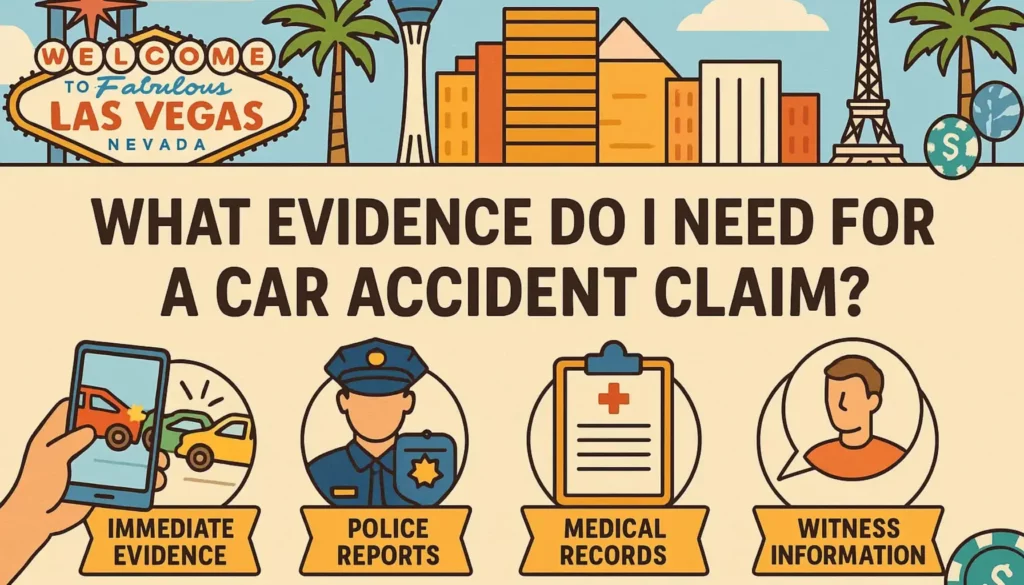
Getting into a car accident can leave you feeling overwhelmed and confused about what to do next. One of the most important steps you can take is gathering the right evidence to support your car accident claim. The evidence you collect at the scene and afterward will play a crucial role in determining the outcome of your case.
Immediate Evidence at the Accident Scene
The moments right after a car accident are critical for evidence collection. If you’re physically able, start documenting everything you can see and remember. Take photos of all vehicles involved from multiple angles. Capture images of the damage, the position of the cars, and the overall accident scene.
Don’t forget to photograph the road conditions, traffic signs, and any skid marks on the pavement. These details might seem small, but they can provide valuable context about how the accident happened. For example, if an accident occurs at a busy intersection like Western and Oakey near The Jewelers, photos showing traffic patterns and visibility issues could be especially important.
Get pictures of the license plates of all vehicles involved. Also, take photos of any property damage beyond the vehicles, such as damaged guardrails, street signs, or nearby buildings.
Police Reports and Official Documentation
Contact the police immediately after any car accident, even if it seems minor. The responding officer will create an official police report that becomes a key piece of evidence for your claim. This report typically includes the officer’s observations about the accident, statements from drivers and witnesses, and sometimes a preliminary determination of fault.
Request a copy of the police report once it becomes available. Most police departments allow you to obtain copies within a few days to a week after the accident. Keep in mind that you may need to pay a small fee for the report.
Medical Records and Documentation
Seek medical attention as soon as possible after the accident, even if you don’t think you’re seriously injured. Some injuries, particularly soft tissue injuries like whiplash, may not show symptoms immediately. Having medical documentation that links your injuries directly to the accident is essential for your claim.
Keep detailed records of all medical treatments you receive. This includes emergency room visits, doctor appointments, physical therapy sessions, and any medications prescribed. Save all medical bills and receipts related to your treatment.
Document how your injuries affect your daily life. Keep a journal noting your pain levels, limitations in movement, and how the injuries impact your work or personal activities.
Witness Information and Statements
Witnesses can provide crucial testimony about what they saw during the accident. If there are people who witnessed the crash, politely ask for their contact information. Get their names, phone numbers, and email addresses if possible.
Ask witnesses if they would be willing to provide a brief written statement about what they observed. Even a few sentences describing what they saw can be valuable evidence. Some witnesses might be hesitant to get involved, but many are willing to help if you explain the situation respectfully.
Financial Documentation
Keep track of all expenses related to the accident. This goes beyond medical bills and includes costs like towing fees, rental car expenses, and lost wages from time off work. Create a file where you can store all receipts and invoices.
If you miss work due to your injuries, ask your employer to provide documentation of your lost wages. This might include pay stubs from before the accident, a letter from your supervisor confirming missed days, and information about any sick leave or vacation time you had to use.
Vehicle Damage and Repair Estimates
Document all damage to your vehicle thoroughly. Take photos from every angle, including close-up shots of specific damage areas. Get written estimates for repairs from reputable auto body shops, even if you’re not sure whether you’ll have the car repaired.
Keep all paperwork related to your vehicle, including registration, insurance information, and maintenance records. If your car is declared a total loss, you’ll need documentation of its value before the accident.
Insurance Communications
Contact your insurance company to report the accident, but be careful about what you say. Stick to the basic facts of what happened without admitting fault or speculating about causes. Keep records of all communications with insurance companies, including claim numbers, the names of representatives you speak with, and summaries of your conversations.
Save all letters, emails, and other written communications from insurance companies. If you receive settlement offers, don’t accept them immediately. Take time to review the offers carefully and consider whether they adequately cover all your damages.
Digital Evidence and Technology
Modern technology can provide additional evidence for your car accident claim. If you or any witnesses captured the accident on dashcam footage or cell phone video, make sure to preserve these recordings. Cell phone data can sometimes show location information and timestamps that help establish the timeline of events.
Social media posts can also become evidence, but be very careful about what you share online after an accident. Insurance companies and opposing lawyers often check social media accounts for information that might contradict injury claims.
Long-term Documentation
Continue documenting the impact of the accident on your life over time. Some effects of car accidents don’t become apparent until weeks or months later. Keep ongoing records of medical appointments, therapy sessions, and how your injuries continue to affect your daily activities.
If you develop new symptoms or complications related to the accident, make sure these are properly documented by medical professionals. The full extent of your damages might not be clear immediately after the accident.
Building a strong car accident claim requires careful attention to evidence collection and documentation. The more thorough you are in gathering and preserving evidence, the better your chances of receiving fair compensation for your damages.
If you’ve been injured in a car accident and need help navigating the claims process, the experienced car accident attorneys at Get The Win Injury Lawyers can guide you through every step. Contact us today at (702) 867-8900 to discuss your case and learn how we can help protect your rights.

We are more than just a personal injury firm. Our team of experienced trial lawyers focuses on complex catastrophic injury and wrongful death cases. These matters require a higher level of skill and dedication than ordinary personal injury claims, and not every law firm is equipped to handle them.
Related Posts
Sep 23 2024 What to do after a slip and fall accident?
Sep 23 2024 What to do after a car accident in Las Vegas?
Sep 23 2024 Nevada bus accident lawsuit process explained
Sep 23 2024 What are the car accident laws in Nevada?

Dec 10 2025 When Should You Contact a Car Accident Attorney?
Client Testimonials
We prioritize client satisfaction from the first consultation to the final case resolution. And our Las Vegas personal injury attorneys have earned 5-star client satisfaction, with glowing testimonials from injured clients across Nevada. We prioritize client satisfaction from the first consultation to the final.
Results & track record
Nevada
born and bred
Trusted
and reviewed
99.9%
satisfaction
Proven
trial lawyers
Awards & Associations