
On the page
- Two Types of Emotional Distress Claims in Nevada
- Intentional Infliction of Emotional Distress (IIED)
- Negligent Infliction of Emotional Distress (NIED)
- Where Emotional Distress Claims Commonly Arise in Las Vegas
- What You Actually Need to Prove
- What “Severe” Emotional Distress Means Under Nevada Law
- The Two-Year Deadline You Cannot Ignore
- Compensation Available for Emotional Distress in Nevada
- How Emotional Distress Changes the Value of a Case
- Frequently Asked Questions
- Can you sue for emotional distress without physical injury in Nevada?
- How much is an emotional distress lawsuit worth?
- Does emotional distress count as pain and suffering?
- What if my insurance company caused the emotional harm?
- What should I do first?
- Talk to a Las Vegas Personal Injury Lawyer
Most people understand they can sue after a car accident or a slip and fall. What many don’t realise is that the most lasting damage is often invisible, the nightmares that do not stop, the anxiety that makes driving impossible, or the emotional strain that disrupts work, sleep, and relationships.
So can you sue someone for emotional distress in Nevada?
Yes. Nevada law recognises emotional distress as a legitimate and compensable injury. These claims frequently arise as part of broader cases handled by a Las Vegas personal injury lawyer, although they can sometimes stand on their own depending on the circumstances.
Not every upsetting situation qualifies. Courts apply strict legal standards and require strong evidence before emotional harm becomes legally recoverable. But when another person’s conduct causes serious psychological injury, Nevada law provides a path to accountability.
Two Types of Emotional Distress Claims in Nevada
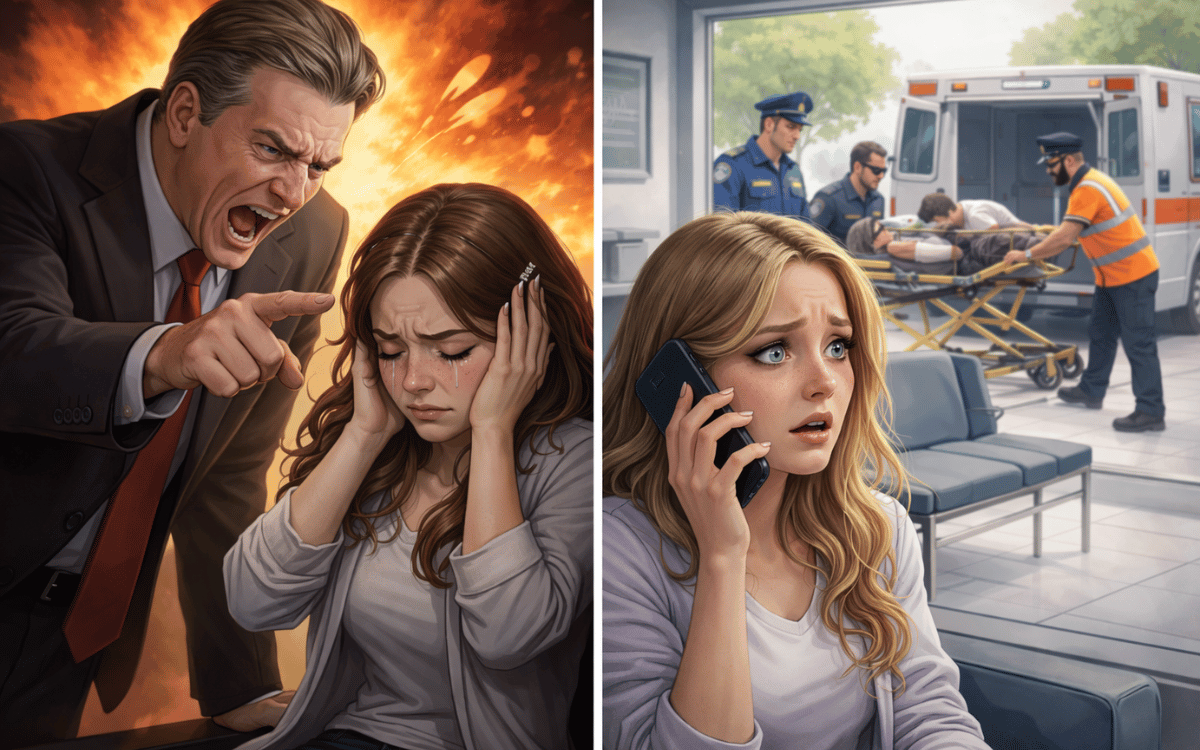
Nevada recognises two primary legal theories for emotional distress claims. Understanding the distinction matters because each requires different proof and applies in different situations.
Intentional Infliction of Emotional Distress (IIED)
Intentional Infliction of Emotional Distress applies when someone intentionally or with reckless disregard, engages in conduct so extreme that it causes severe psychological harm.
Nevada courts impose a very high threshold. The conduct must go beyond ordinary conflict or offensive behaviour and reach a level considered intolerable in a civilised community.
This typically involves sustained harassment, threats, intimidation, or behaviour specifically designed to cause emotional harm. Ordinary workplace disputes, arguments, or rude interactions rarely meet this legal standard.
To succeed, a claimant must show intentional or reckless conduct, behaviour that is objectively outrageous, and emotional suffering directly caused by that conduct. When behaviour is less obviously extreme, courts rely more heavily on medical documentation and expert testimony.
Negligent Infliction of Emotional Distress (NIED)
Emotional harm does not always result from intentional wrongdoing. Nevada law also recognises emotional distress caused by negligence, though courts evaluate these claims carefully.
Direct victims may recover when negligence places them in genuine danger of physical harm and results in serious psychological injury supported by medical evidence.
Bystander claims operate differently. Nevada law may allow recovery when someone directly witnesses a traumatic injury involving a closely related family member. Courts evaluate proximity, real-time perception of the event, and the nature of the relationship involved. Nevada courts generally apply strict standards, often limiting qualifying relationships to those defined by blood or marriage.
Learning about an accident afterward, no matter how devastating, usually does not meet the legal threshold.
Where Emotional Distress Claims Commonly Arise in Las Vegas
Emotional distress claims rarely exist in isolation. They most often develop alongside serious injury cases where psychological harm continues long after physical injuries begin to heal.
Severe collisions throughout Las Vegas frequently result in PTSD, driving anxiety, or depression, conditions commonly addressed by a Las Vegas Car Accident Lawyer.
Survivors of assaults often experience psychological injuries lasting years beyond physical recovery. Dog attacks, particularly involving children, can produce long-term fear responses and behavioural changes. Sustained workplace harassment may also support a claim when conduct becomes extreme and ongoing.
In fatal incidents, family members who witness traumatic events may also pursue claims connected to a wrongful death attorney in Las Vegas, depending on the circumstances.
What You Actually Need to Prove
Emotional distress cases are evidence-driven. Courts require objective proof demonstrating that psychological harm is real, serious, and directly connected to the incident.
Strong claims typically include medical diagnosis, therapy records, documented lifestyle changes, and testimony from people who observed behavioural differences after the event. Expert witnesses often explain psychological conditions to juries in clinical terms, transforming emotional suffering into legally measurable damages.
Seeking treatment early supports both recovery and documentation.
What “Severe” Emotional Distress Means Under Nevada Law
 Nevada courts do not compensate for temporary stress or ordinary emotional upset. The distress must significantly interfere with daily functioning.
Judges commonly consider diagnosed psychological disorders, persistent sleep disruption, withdrawal from normal activities, reduced work capacity, and physical symptoms triggered by psychological stress.
Insurance companies frequently attempt to minimise emotional harm as normal stress. Consistent medical documentation is often what determines whether a claim succeeds.
The Two-Year Deadline You Cannot Ignore
Nevada law generally gives injured people two years from the date of an incident to file a personal injury claim, including claims involving emotional distress, under NRS 11.190(4)(e).
Two years can sound like plenty of time, but for many people it passes quickly. After an accident, your focus is usually on healing, attending medical appointments, dealing with insurance adjusters, and trying to return to normal life. Legal deadlines are rarely the first thing on anyone’s mind.
Unfortunately, once the filing deadline passes, the right to seek compensation is usually lost — no matter how serious the injury or how strong the case may have been.
If you are unsure about how much time you have left, speaking with an attorney early can provide clarity and peace of mind. You can call (702) 867-8900 for a free consultation to understand your options and next steps.
Compensation Available for Emotional Distress in Nevada
A successful claim may include compensation for therapy and psychiatric treatment, medication expenses, lost income, and non-economic damages related to mental anguish and suffering.
When conduct involves malice or oppression, punitive damages may apply under Nevada law. Separate statutory rules may expand recovery in drunk-driving cases pursued by a Las Vegas drunk driving accident lawyer.
How Emotional Distress Changes the Value of a Case
Consider a serious Las Vegas accident caused by an intoxicated driver. Physical injuries may begin healing within months, but psychological effects often appear later. Driving anxiety, sleep disruption, or PTSD can develop gradually and may not be fully diagnosed when insurance companies first evaluate a claim.
Early settlement offers are typically based on visible injuries and immediate medical costs, not long-term emotional harm. Once a settlement is accepted, the claim is permanently closed, even if symptoms worsen or ongoing therapy becomes necessary.
When emotional distress is properly documented through medical diagnosis, treatment records, and expert evaluation, it becomes a measurable part of the case. This evidence can significantly affect compensation by showing how the incident impacted daily life, work ability, and overall well-being, not just physical recovery.
Frequently Asked Questions
Can you sue for emotional distress without physical injury in Nevada?
Yes, in limited circumstances. Intentional claims do not require physical injury, but courts require extreme conduct and strong medical evidence.
How much is an emotional distress lawsuit worth?
Value depends on severity, documentation, treatment duration, and impact on daily life.
Does emotional distress count as pain and suffering?
Yes. Emotional distress is a form of non-economic damage in Nevada personal injury law.
What if my insurance company caused the emotional harm?
You may have an insurance bad-faith claim handled by a Nevada insurance bad faith lawyer if an insurer unreasonably delays or denies a valid claim.
What should I do first?
Seek medical treatment, document life changes, avoid recorded insurance statements, and consult an attorney before the statutory deadline.
Talk to a Las Vegas Personal Injury Lawyer
Emotional distress claims are legally recognised in Nevada and can represent a significant portion of compensation after serious wrongdoing. But unlike physical injuries, psychological harm is often harder to prove without the right documentation and legal guidance. Building a strong claim requires careful evidence, medical support, and a clear strategy that connects emotional suffering directly to the incident.
At Get The Win Injury Lawyers, we help clients throughout Las Vegas, Henderson, North Las Vegas, and Summerlin understand their rights and pursue compensation for the full impact an injury has had on their lives, both physical and emotional. Our team handles communication with insurance companies, gathers the necessary evidence, and works to ensure your claim reflects the true extent of your losses.
Your consultation is completely free, and you pay nothing unless we successfully recover compensation for you. If travel is difficult, we can arrange to speak by phone or meet at a location convenient for you.
Call (702) 867-8900 – Available 24/7

We are more than just a personal injury firm. Our team of experienced trial lawyers focuses on complex catastrophic injury and wrongful death cases. These matters require a higher level of skill and dedication than ordinary personal injury claims, and not every law firm is equipped to handle them.
Related Posts
Sep 23 2024 What are the car accident laws in Nevada?
Sep 23 2024 Nevada bus accident lawsuit process explained
Client Testimonials
We prioritize client satisfaction from the first consultation to the final case resolution. And our Las Vegas personal injury attorneys have earned 5-star client satisfaction, with glowing testimonials from injured clients across Nevada. We prioritize client satisfaction from the first consultation to the final.
Results & track record
Nevada
born and bred
Trusted
and reviewed
99.9%
satisfaction
Proven
trial lawyers
Awards & Associations